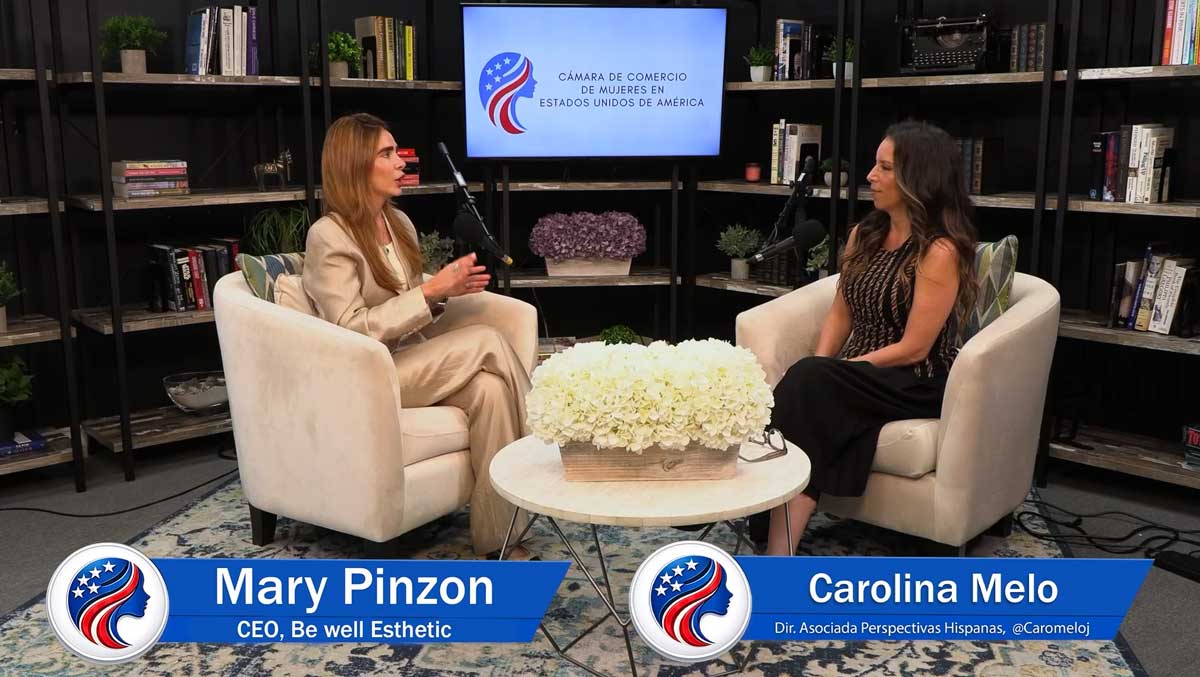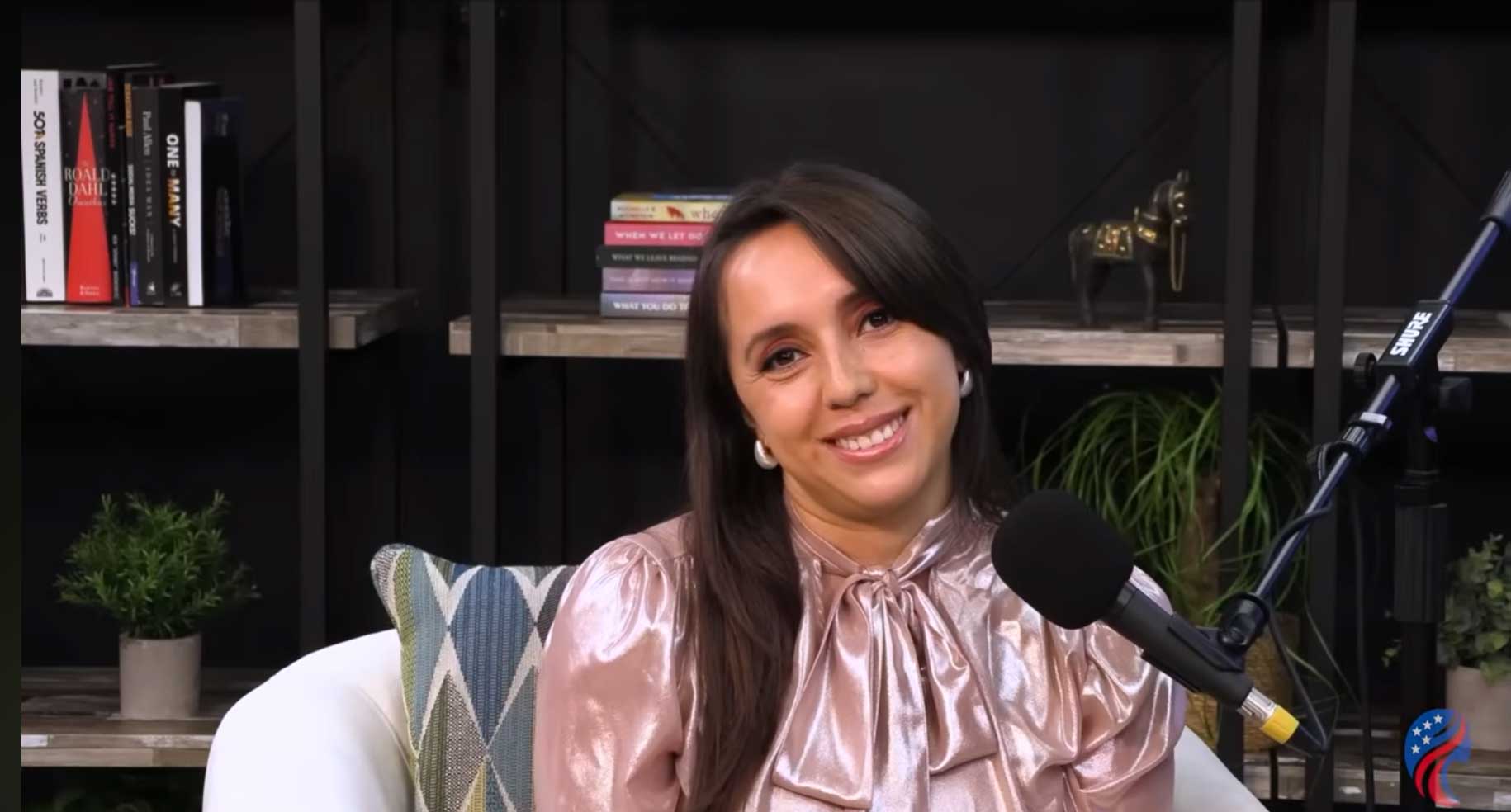
In this episode of Hispanic Perspectives, Carolina Melo interviews Maira Garzón, co-founder of Mango King. The conversation focuses on the evolution of a family business into an ecosystem of four companies specialized in the food and franchise sector.
1. Origins and Accelerated Growth
- Launch (2017): The business began with a modest $10,000 investment and the idea of offering something tropical and refreshing in Miami.
- Market Validation: Success was immediate. In less than a year, they opened their second location, driven by customer demand—people were already asking about franchises within the first few months.
- Current Status: In less than 10 years, they have 9 points of sale, including strategic locations such as the Miami Heat stadium (Kaseya Center) and shopping malls in Miami and Orlando (near Disney World).
2. The Mango King Ecosystem
To franchise professionally, Maira and her husband didn’t just expand the brand; they created a corporate support structure:
- Mango King Franchising: A company dedicated exclusively to franchise management.
- Janim Juice: The official distributor that supplies ingredients to all locations.
- Food Trailer Distributions: Responsible for the physical formats and infrastructure of the points of sale.
- Mango King: The original operating brand.
3. What Makes a Business Franchisable?
Maira highlights that to make the leap to franchising, it is vital to have:
- Internal Structure: Moving from “training employees” to creating manuals and replicable processes that others can follow successfully.
- Legal Counsel: This was one of the biggest challenges, as every city and state has different regulations and permits.
- Variable Investment: The cost of a Mango King franchise varies depending on the concept and location (ranging approximately from $75,000 to $200,000).
4. Teamwork and Couple Dynamics
An inspiring point of the interview is how Maira and her husband manage the business:
- Defined Roles: They have learned to identify each other’s strengths and delegate internal responsibilities.
- Priorities: They keep their marriage as a priority, knowing how to disconnect from work when necessary, though they admit their passion for the business is part of their “DNA.”
5. Product Innovation
While mango is the star, the brand has evolved by listening to different cultures:
- Latin Influence: They incorporated the “mangonada” (with tajín and chamoy) and the “cocada” (popular in the Venezuelan community).
- Variety: They offer juices, slushies, fruit salads, and blends like “maracumango” or “cocomo” (mango with coconut).
Watch this an all the episodes here